
Burj Khalifa vs. Burj Binghatti: Comparing Yields and Appreciation in High-Rise Icons
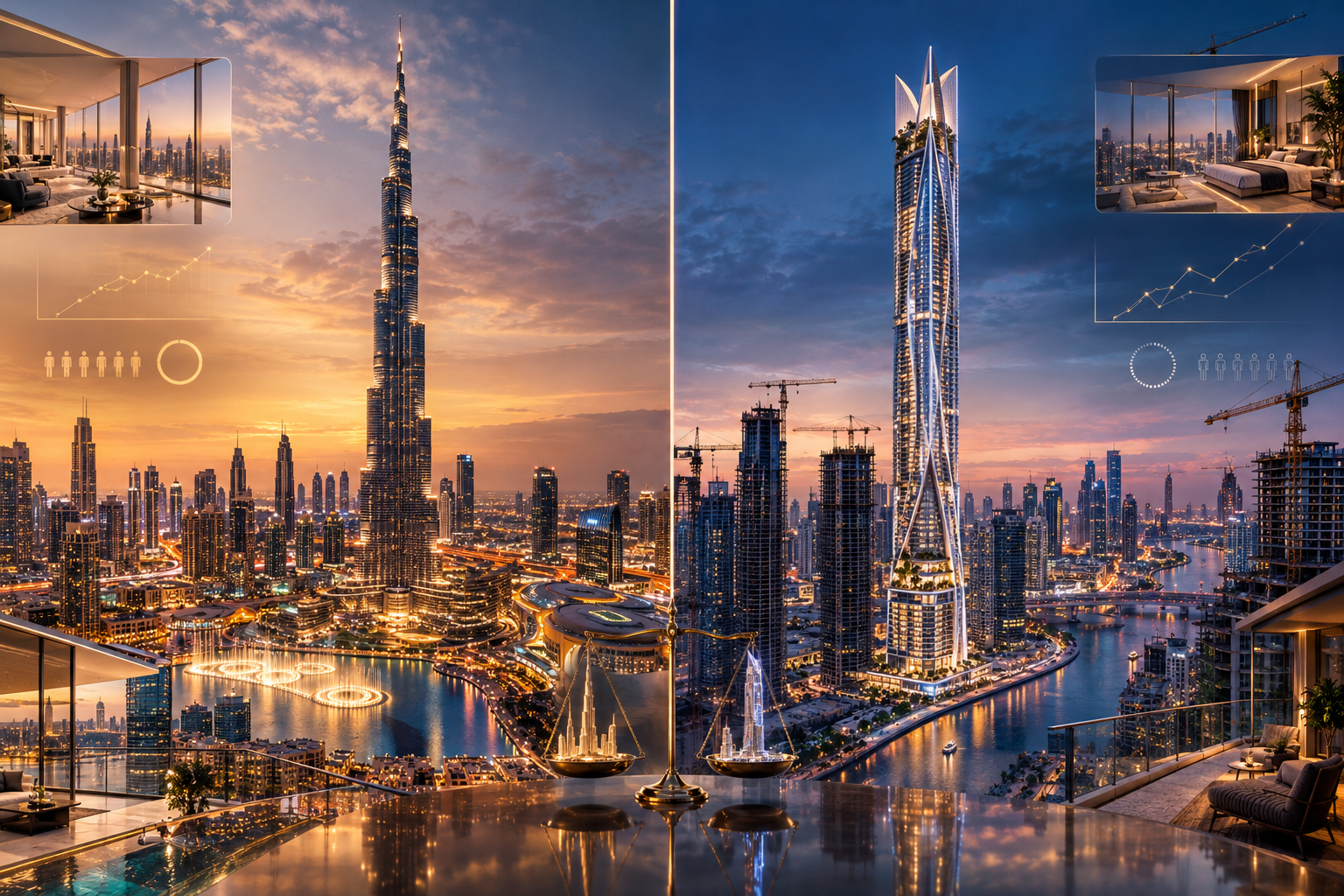
Burj Khalifa and Burj Binghatti Jacob & Co. Residences represent different luxury property investment options in Dubai. Burj Khalifa offers an established landmark with observable rental and resale data, while Burj Binghatti combines branded exclusivity with development and off-plan risks.
Investors should compare realistic net rental yields, purchase prices, service charges, comparable transactions, resale demand, construction status and market risks. Neither prestige nor branding guarantees appreciation, making due diligence and evidence-based financial analysis essential.
Dubai’s luxury property market offers investors a choice between established landmarks and ambitious branded developments. Two names that attract attention are Burj Khalifa in Downtown Dubai and Burj Binghatti Jacob & Co. Residences in Business Bay.
Both represent high-profile approaches to luxury living, but their investment potential depends on more than architecture or brand recognition. Purchase price, achievable rental income, service charges, resale demand and development status all influence the financial outcome.

For investors, the key question is simple: which property offers the stronger investment case at the price being asked?
1. Burj Khalifa: The Value of an Established Landmark
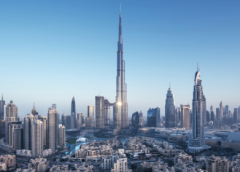
Burj Khalifa benefits from international recognition and its location in Downtown Dubai, close to major retail, hospitality, business and leisure destinations.
For property investors, an established residential building offers an important advantage: existing rental and resale transactions can help buyers assess actual market performance. Rather than relying entirely on forecasts, investors can compare similar apartments, their rental histories and recent sale prices.
However, not every apartment in the tower offers the same investment potential. Floor level, views, layout, interior condition and purchase price can significantly influence demand.
2. Burj Binghatti: Branded Luxury and Investment Potential
Burj Binghatti Jacob & Co. Residences combines residential real estate with the identity of a luxury jewellery and watchmaking brand. Located in Business Bay, the project targets buyers attracted to distinctive architecture, exclusivity and branded living.
Branded residences may appeal to a particular segment of luxury buyers. Nevertheless, investors should establish whether the additional price associated with the brand is supported by actual market demand.
The project’s construction and handover status also matter. If an investor purchases an off-plan property, projected rental income cannot be treated as income already being earned. Completion timelines, contractual obligations and the financial strength needed to meet payment milestones should all be reviewed.
The central consideration is whether the property’s price and expected future demand justify the risks involved.
3. Comparing Rental Yields
Rental yield measures the annual rental income generated by a property relative to its purchase price.
Gross Rental Yield = Annual Rental Income ÷ Purchase Price × 100
For example, imagine an apartment purchased for AED 4 million and rented for AED 240,000 annually. Its gross rental yield would be 6%. This is a hypothetical example, not a verified yield for either Burj Khalifa or Burj Binghatti.
A reliable comparison requires recent rental contracts and comparable sale prices. Investors should compare properties of similar size, quality, views and furnishing standards rather than relying on advertised rents or broad neighbourhood averages.
Gross Yield Versus Net Yield
Gross yield does not show how much income an owner actually keeps. Net returns must account for expenses such as:
• Building service charges and maintenance
• Property management and leasing fees
• Vacancy periods between tenants
• Repairs, furnishing and replacement costs
• Financing and other ownership expenses
These costs can materially reduce the final return. A property with an attractive advertised yield may deliver a much smaller net income once recurring expenses are deducted.
Investors can consult the Dubai Land Department’s official real estate data to research market transactions and rental information.
Official source: https://dubailand.gov.ae/en/open-data/real-estate-data/
4. Capital Appreciation: What Drives Future Value?
Capital appreciation occurs when a property’s market value increases over time. Neither a landmark address nor a luxury brand guarantees that outcome.
Established Market Evidence
Burj Khalifa offers an established resale market that investors can investigate through comparable transactions. This makes it possible to examine historical prices and understand how different types of apartments have performed.
However, past performance does not guarantee future growth. Purchase price, wider market conditions and the characteristics of the individual unit remain important.
The Branded Residence Premium
Burj Binghatti’s branded positioning may attract buyers seeking exclusivity and distinctive design. That appeal can support demand, but investors need evidence that buyers in the resale market are willing to pay a comparable premium.
Potential risks include competing luxury developments, changes in buyer preferences, supply entering the market and differences between initial asking prices and completed transactions.
For off-plan purchases, projected appreciation remains uncertain until supported by market evidence. Investors should avoid basing decisions entirely on promotional forecasts.
5. Location and Resale Demand
Downtown Dubai and Business Bay both offer access to central Dubai, but their individual buildings, surrounding amenities and tenant profiles differ.
Downtown Dubai benefits from an established mix of residential, retail, hospitality and leisure activity. Business Bay combines offices, residential developments and access to central commercial districts.
The better investment is not necessarily in the more famous location. It is the property that attracts sufficient tenant or buyer demand at a price that makes financial sense.
Before buying, investigate recent comparable sales, achieved rents, nearby competing properties, building management and the likely time required to resell.
Resale liquidity deserves particular attention. An apartment may have a high advertised value but take longer to sell if its price exceeds comparable market transactions or its buyer pool is limited.
6. Five Checks Before Investing
Before committing capital to either property, investors should answer five practical questions.
1. What Is the Realistic Net Rental Yield?
Estimate achievable annual rent and subtract recurring operating expenses.
2. Is the Asking Price Supported by Comparable Sales?
Use recent transactions involving similar apartments instead of relying only on promotional prices.
3. What Is the Property’s Legal and Construction Status?
For off-plan purchases, verify project registration, construction progress, payment terms and contractual completion provisions through appropriate official channels.
4. How Competitive Is the Resale Market?
Review comparable listings and completed transactions to understand competition and potential selling time.
5. Can the Investment Withstand a Weaker Market?
Consider whether the property remains financially manageable if rental income falls, expenses rise, completion is delayed or resale takes longer than expected.
These checks help investors distinguish an attractive luxury residence from a financially sound investment.
Conclusion: Evaluate the Property, Not Just the Prestige
Burj Khalifa and Burj Binghatti represent different propositions within Dubai’s luxury residential market. Burj Khalifa offers an established landmark with existing market evidence, while Burj Binghatti combines a branded luxury concept with development-specific considerations.
Neither should be selected on reputation alone. The final decision should reflect the price paid, achievable net rental income, resale demand, ownership costs and the investor’s tolerance for risk.
For buyers considering either address, careful due diligence is essential. Compare actual transactions, verify official project information and calculate realistic returns before committing capital. In Dubai’s high-rise market, a disciplined investment decision begins with evidence rather than prestige.