

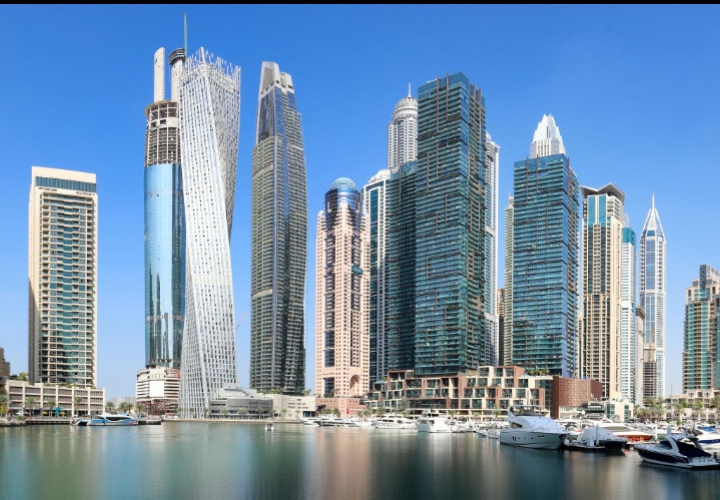
How Urban Farming Can Help Dubai Build a More Sustainable Food Future
Dubai’s hot climate, limited farmland, and growing population make local food production an important topic for the future. Urban farming offers one practical way to produce fresh vegetables and herbs closer to the people who consume them.
Instead of relying entirely on traditional farms and long-distance transportation, urban farming uses available spaces and modern growing methods to produce food in cities.

What Is Urban Farming?
Urban farming means growing crops within cities or nearby urban areas. It can include rooftop gardens, indoor farms, greenhouse production, vertical farming systems, and small community gardens.
These approaches allow growers to use space more efficiently. Some systems also use controlled environments to manage temperature, light, water, and nutrients.
For Dubai, where outdoor agriculture can be challenging during hot months, indoor and greenhouse farming may offer useful alternatives for selected crops.
How Urban Farming Can Support Food Security
Food security depends on having reliable access to sufficient, safe, and nutritious food. Local farming cannot replace every imported food product, but it can help diversify supply sources.
Producing some vegetables and herbs locally may reduce dependence on long supply chains for those products. It can also give retailers, restaurants, and consumers additional sourcing options.
A stronger local food sector can become especially valuable when transportation disruptions or international market changes affect food availability and prices.
Using Water More Efficiently
Water management is essential for agriculture in the UAE. Some urban farms use hydroponics, a method of growing plants without traditional soil, while others use carefully controlled irrigation systems.
When properly designed and managed, these methods can reduce water use compared with certain conventional growing practices.
However, results depend on the crop, technology, operating conditions, and comparison method.
Indoor farms also require electricity for lighting, cooling, and other equipment. Businesses should therefore evaluate both water savings and energy costs before investing.
Opportunities for Businesses and Entrepreneurs
Urban farming can create opportunities for entrepreneurs, property developers, restaurants, and technology providers.
Potential business models include supplying fresh produce to restaurants, operating greenhouse facilities, installing rooftop gardens, and providing monitoring or irrigation services.
Technology can support these businesses through environmental sensors, automated irrigation, crop monitoring, and production planning. These tools may help growers identify problems earlier and manage resources more carefully.
Before launching a project, entrepreneurs should assess customer demand, suitable crops, operating expenses, local regulations, water availability, and access to reliable distribution channels.
Making Urban Farming Practical in Dubai
Successful urban farming requires more than installing growing equipment. Businesses need a clear production plan and a realistic understanding of local conditions.
A practical approach includes starting with a small pilot project, selecting crops suited to the growing system, measuring water and electricity consumption, and confirming buyers before expanding production.
Partnerships between farmers, restaurants, retailers, researchers, and technology companies can also help improve efficiency and build dependable local supply networks.
A More Resilient Food Future
Urban farming is not a complete solution to food security, but it can contribute to a more diversified food system in Dubai.
By combining appropriate growing methods, responsible resource management, and viable business planning, local producers can explore new ways to supply fresh food while responding to the region’s environmental challenges.
The long-term opportunity lies in building urban farming projects that are not only innovative, but also commercially practical and environmentally responsible.